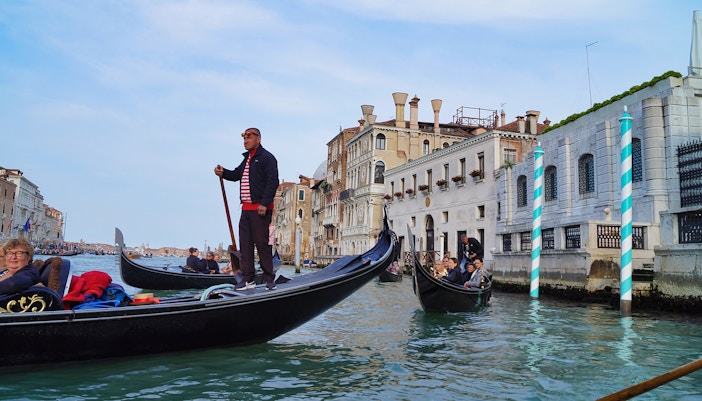
Venice gondolas and gondoliers | Where history meets craftmanship

What is a gondola?

You're gliding silently through the labyrinthine canals of Venice, aboard a sleek, black vessel steeped in centuries of tradition. You're aboard none other than the Venetian gondola, a unique boat synonymous with the city's romantic charm and rich history. A Venice gondola is a traditional, flat-bottomed rowing boat that is banana-shaped. These boats have evolved to suit the unique necessity of navigating the narrow canals that crisscross the city. For close to a 1000 years, they have served as the primary mode of transportation in Venice.

Here’s a sneak peek into their design, function and history. Lastly, meet the gondoliers, the exclusive guild of professionals who are entrusted with rowing these dainty boats around Venice.

Construction

Materials used

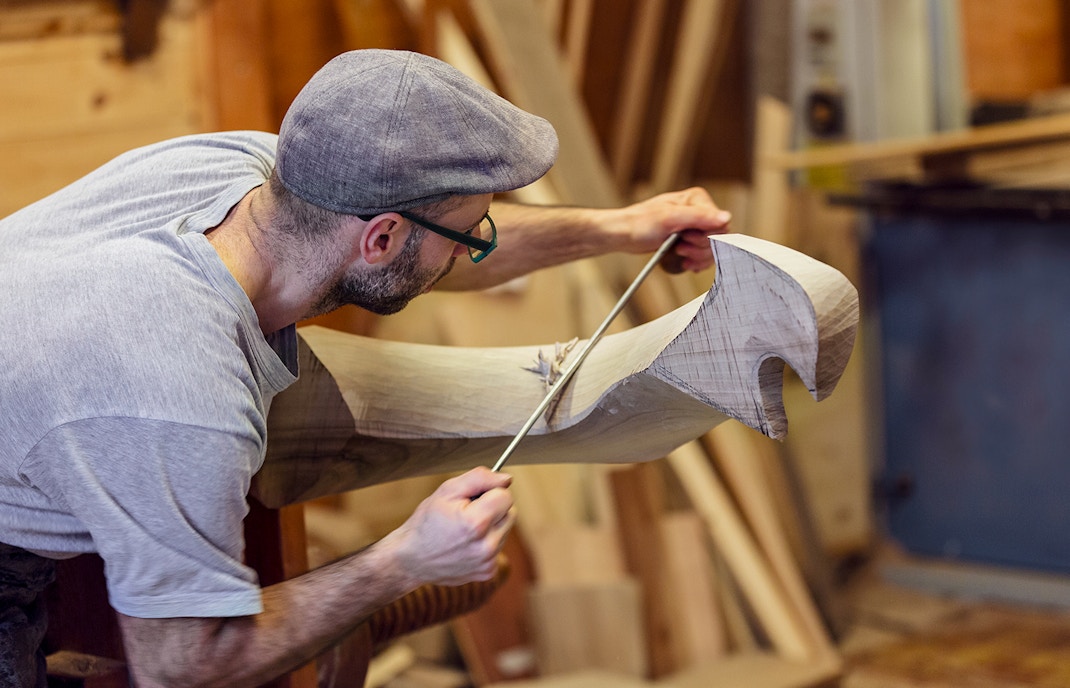
  • Gondolas are made out of over 280 pieces of different kinds of woods, including oak, fir, cherry, larch, walnut, lime, mahogany and elm. They are made in Venetian squeri, or workshops exclusively dedicated to making gondolas.   
  • The construction involves intricate techniques like carving, bending and assembling the different wooden components without using nails or screws. 
  • It takes about 400 hours of manpower, which means a single gondola can be completed in 2-3 months.

Parts of a gondola

These are the noteworthy elements in a gondola:

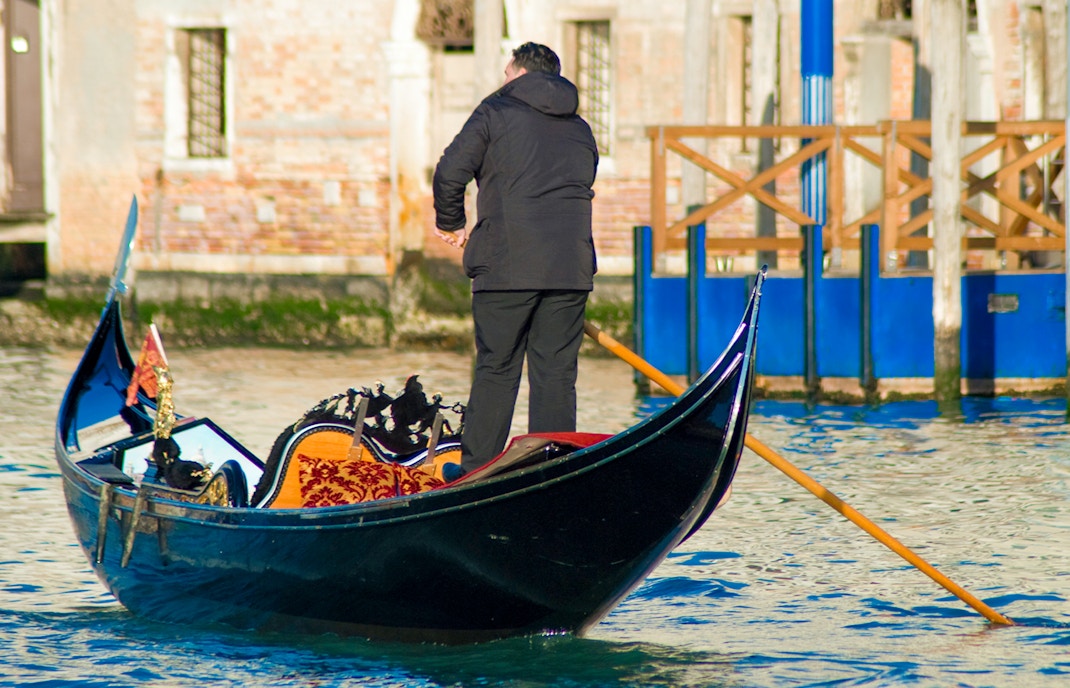
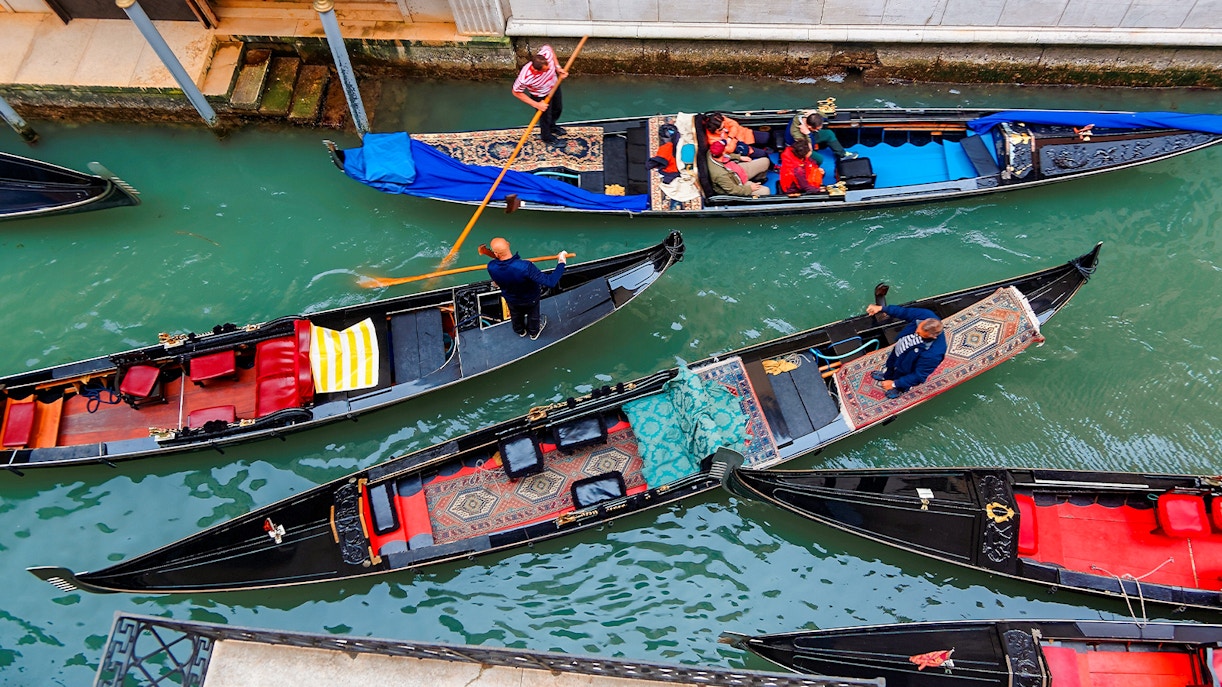
  • Fèrro: This is the ornamental iron prow at the front of the gondola, often featuring a decorative design like a seahorse or mythological creature. The gondolier stands exactly opposite at the stern.
  • Remo: The single oar used to propel the gondola. It's long, asymmetrical and requires a specific rowing technique for efficient navigation.
  • Forcola: The wooden oarlock where the oar rests, positioned at the stern on the right side. Its intricate design allows for precise control over the gondola's direction. The forcola is made to suit the height and requirements of the gondolier, so each piece is unique.
Symbolism of the gondola

Though not formally confirmed, it is believed that the gondola's design is rich with meaning. The iron prow has six tooth-like demarcations, rumored to stand for the six districts in Venice. The three friezes, or decorative horizontal lines between the teeth are said to symbolize the islands of Murano, Burano and Torcello. The prow is also curved to mimic the S-shape of the Grand Canal. This curved top also represents the Doge's cap.

Gondola history

Timeline

  • 11th century: The then Doge, Vital Faliero, promised gondolas to the wealthy members of Venice's elite.
  • 15th century: Earliest visible depictions of the gondola in paintings by the artists Carpaccio and Bellini. 
  • 16th and 17th centuries: Increase in the number of gondolas populating Venice's canals, and gondolas now became commonplace. Around this time, they were also used for military purposes in battles against the Ottoman empire, Spain and nearby regions.
  • 19th and 20th centuries: Remodeling of the gondola. As motorized boats became more common in the 20th century, the use of gondolas for transportation declined, and they transformed into a tourist attraction.
  • Present day: Today, gondola rides remain a cherished and romantic experience, offering visitors a glimpse into Venice's rich history and captivating beauty.

From the canal came the boat: how Venice's waterways created the gondola

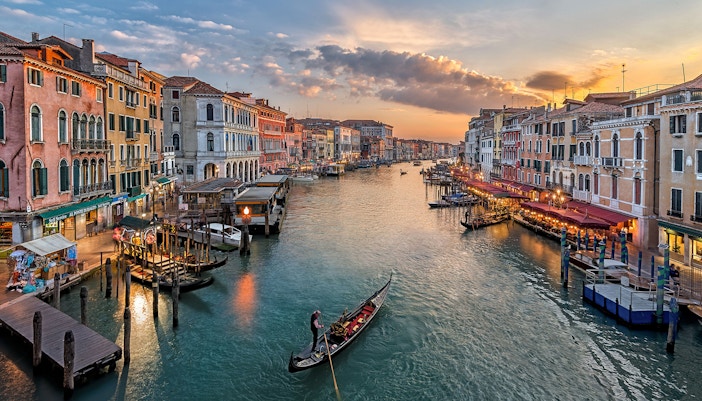
The Venetian lagoon is a unique waterscape to navigate owing to its unpredictable depths, marshes and canals. The gondola evolved to become a light-weight, flat-bottomed boat to navigate shallow waters and not get stuck in sandbanks. It also necessitated the gondolier to stand at the rear (the stern) of the boat, so that his single oar propels the boat in the same direction he is looking. For the gondolier to get a better view of the water, the stern is slightly raised.

Hence, the Venice canals birthed the gondola in a way; it was essential to construct a boat that could navigate its narrow spaces, shallow patches and turbid waters.

The people behind the profession: All you need to know about Venice’s gondoliers

Number of gondoliers in Venice: Approximately 400, with only 2-3 licenses being handed out each year.
Not all gondoliers sing: Contrary to popular belief, not all gondoliers are trained singers. Previously, singing was common to attract customers, but now, gondoliers are more inclined to share their knowledge and history of the city. If you want a singing gondolier, you will have to separately book a serenade ride.
Reputation: in the earlier centuries, gondolas were leased out and drivers often ran into bad reputation, frequently getting into fights, engaging in extortion and even violence! Present day tourists, however, do not have to worry about these concerns.
Fitness: Watch a gondolier at work and you'd be amazed at the bends, dodges and other navigational stunts they have to pull. Balancing a boat standing with seated passengers is no easy feat, yet the gondoliers manage this. Occasionally, you can even see them kick off from the edge of a building to make a turn or duck down when a bridge approaches!
Women gondoliers: To date, there is only one licensed female gondolier, Giorgia Boscolo. As is evident, it's extremely difficult for women to break the mold in a male-dominated profession.

What does it take to become a gondolier in Venice?

gondolier

It's easy to think that being a gondolier just involves standing on the gondola and rowing, but the reality is more complex. One has to undergo over 400 hours of training in six months. The training involves:

  • Learning foreign languages
  • Studying Venetian history and culture
  • An apprenticeship
  • Practical skills involving canal navigation and swimming

They must pass rigorous exams to clear these subjects and then acquire the license. They then become substitute gondoliers to operate the traghetti. Finally, they become licensed members of a 1000-year old guild. Each license is allotted to one location, so gondoliers rarely move away from their designated location.

How can one identify a gondolier?

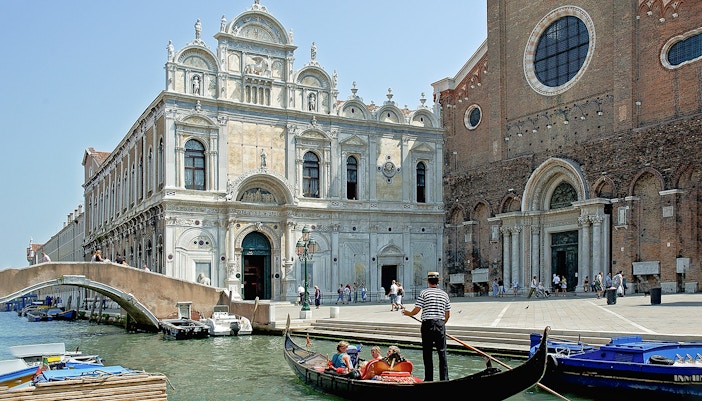
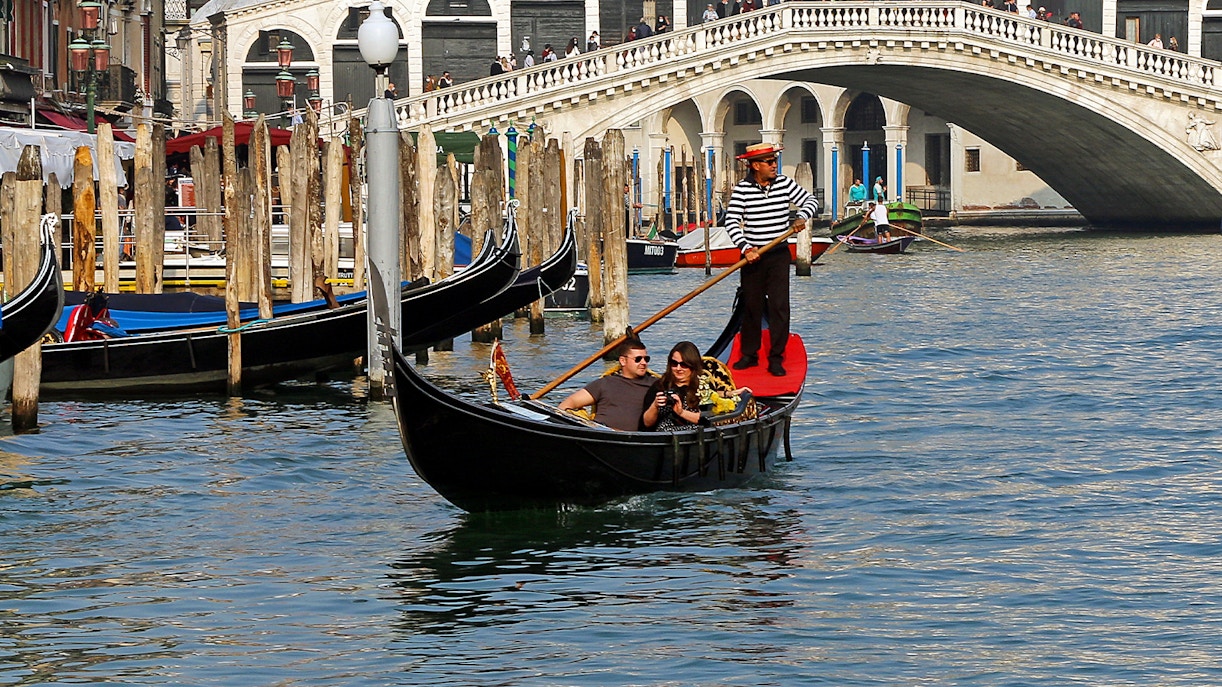
Gondoliers are easy to spot in Venice. They are usually in a striped red or blue t-shirt, black trousers, and a straw hat with a ribbon (usually black or red). This is the official uniform for gondoliers. If they want to make their presence felt when there's canal traffic (since gondolas don't have horns), you can hear their call: a distinctive 'Oye!'.

Frequently asked questions about gondolas and gondoliers

While the exact meaning is unknown, it is believed that the earliest prototype of the gondola was seen on a Church mosaic in Ravenna in the 6th century, depicting two apostles aboard a crescent-shaped boat called a cymbula. It is likely that the present-day term evolved from this.

More Reads

Gondola stations

Book Now

Plan your ride

Book Now

Tips and FAQs

Book Now